

Carbon Fiber vs Aluminum Bike Frames: Which Wins?
Table of Contents
- Carbon Fiber vs Aluminum Bike Frames: The Core Differences
- Carbon Fiber Bike Frame Pros and Cons
- Aluminum Bike Frame Pros and Cons
- Carbon Bike Frame Lifespan and Crash Damage
- Carbon Fiber Frame Repair: What Is Possible?
- Cost, Value, and Choosing by Bike Category
- Conclusion: Matching Frame Material to Your Riding
- Frequently Asked Questions
Last Updated: October 4, 2026
Carbon Fiber vs Aluminum Bike Frames: The Core Differences
The carbon fiber vs aluminum bike frames debate comes down to how each material handles stress, weight, and cost. Carbon fiber is a composite of woven fibers set in resin, while aluminum is a metal alloy. That single structural difference explains almost everything else: how each frame feels on the road, how it fails in a crash, and what it costs to replace.

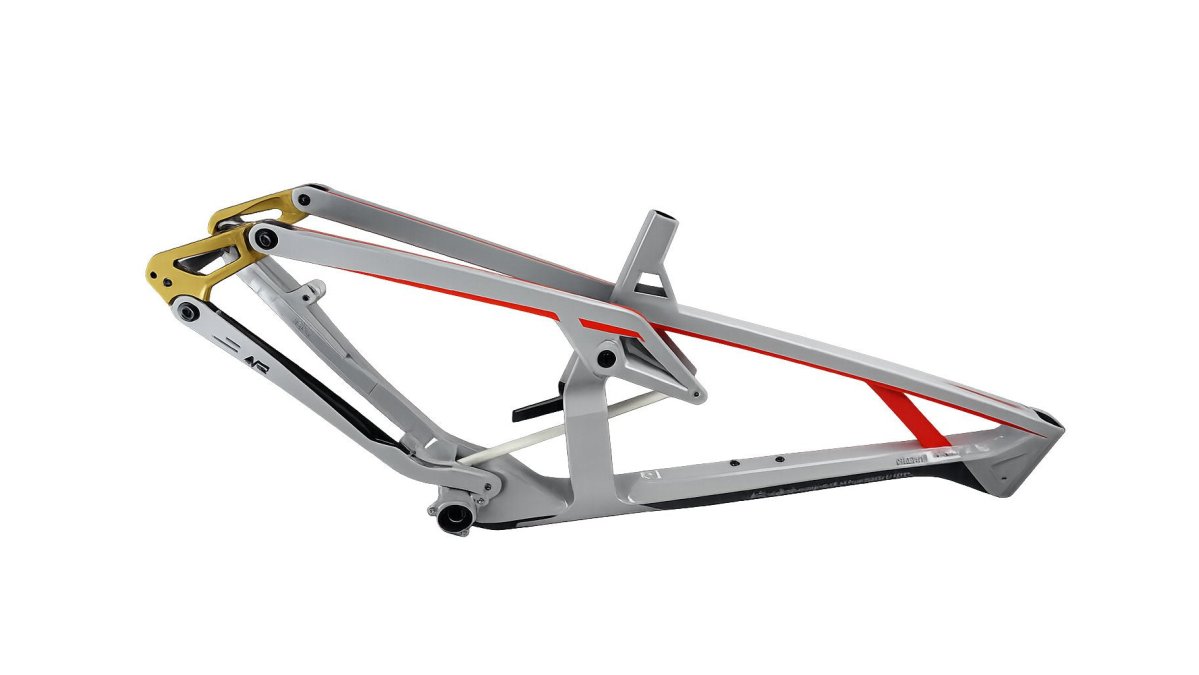
How Material Properties Shape Ride Feel
Carbon fiber is an anisotropic composite, meaning its strength changes depending on the direction the fibers run. Engineers can lay fibers to make a frame stiff side-to-side for power transfer while letting it flex vertically for comfort. Aluminum is isotropic: it behaves the same in every direction, so stiffness and comfort cannot be tuned independently.
In practice, this means two carbon frames with identical geometry can ride completely differently. An aluminum frame of the same shape will feel firmer and transmit more road buzz. That is not a flaw, it is the nature of the material.
Frame Construction: Molding vs Welding
Carbon frames are built by laying fiber sheets into a mold, then curing them under heat and pressure. This allows complex, aerodynamic tube shapes that would be difficult to form in metal.
Aluminum frames are cut, mitered, and welded tube by tube. The welds create heat-affected zones that slightly weaken the metal near each joint, which is why builders add material there. The process is faster and cheaper, and it produces frames that are easier to inspect for damage.
Carbon Fiber Bike Frame Pros and Cons
The biggest advantage of a carbon fiber bike frame is its strength-to-weight ratio. You can build a frame that is lighter than aluminum while staying stiff where it matters for pedaling and sprinting.
Pros:
- Lighter frame weight for the same stiffness
- Tunable ride feel through fiber orientation
- Complex aero shapes are possible
- Excellent vibration damping on rough surfaces
Cons:
- Higher price for equivalent performance tiers
- Crash damage can be hidden inside the layup
- Repair requires a specialist, not a local welder
- Inspection after impact is more involved
Aluminum Bike Frame Pros and Cons
Aluminum remains the value leader. It is affordable, tough in low-speed tumbles, and any decent shop can inspect it.
Pros:
- Lower cost across every category
- Denting and cracking are usually visible
- Widely repairable by frame builders
- Stiff and efficient for power transfer
Cons:
- Heavier than carbon at equal stiffness
- Harsher ride feel on rough roads
- Cannot be tuned directionally like a composite
- Fatigue life is finite, though long in practice
For gravel and mountain riding, aluminum's forgiving failure mode matters. A dented aluminum frame often stays rideable; a cracked carbon one usually does not.
Carbon Bike Frame Lifespan and Crash Damage
A well-made carbon bike frame lifespan is measured in years of normal riding, not a fixed mileage. Carbon does not fatigue the way aluminum does, so a frame that avoids crashes can last a very long time. The threat is impact, not age.
Crash damage is where carbon gets tricky. Cracks often start at the joints, around the bottom bracket, under the fork crown, or at the seat cluster, and they can sit beneath a painted surface. Any frame that has been in a significant crash deserves a hands-on inspection before it goes back on the road.
What to Check After a Crash
Work through these checkpoints in order:
- Wipe the frame clean. Dirt and road grime hide hairline cracks. Use a soft cloth and mild cleaner, then dry the tubes.
- Look at the high-stress zones first. Bottom bracket shell, head tube junctions, fork crown, seat tube/top tube junction, and the dropouts. These are where impact loads concentrate.
- Check for spider-web cracks in the paint. A crack in the clearcoat or paint can be cosmetic, but a star-shaped pattern radiating from a point usually means the fiber underneath has moved.
- Press gently with a thumb. Soft spots or a crunching feel under light pressure are a red flag. Do not press hard enough to flex the tube.
- Tap test with a coin. Run a coin along the tubes. A dull thud instead of a sharp tap can signal delamination under the paint. It is a rough field test, not a diagnosis, but it tells you when to stop riding.
- Spin the wheels and check alignment. A frame that has shifted will often show the rear wheel sitting off-center in the dropouts.
- Inspect the fork separately. Fork damage is the highest-risk failure because it steers the bike. Any crack, crease, or paint star on a fork means stop riding and get it inspected.
When to Get a Professional Inspection
Get a professional inspection if any of these apply:
- The frame was involved in a crash at speed, even if it looks undamaged.
- You hit a pothole, curb, or rock hard enough to feel it through the bars.
- The bike was in a car rack impact or fell off a rack.
- You notice any crack, soft spot, crease, or paint star anywhere on the frame or fork.
- The bike was bought used and you do not know its history.
A qualified carbon repair specialist or a shop with composite experience can use a tap test, visual inspection under magnification, and in some cases ultrasound or other non-destructive methods to look for internal damage. A clean bill of health from a specialist is worth far more than a guess.
How Repair Options Differ
Carbon fiber frame repair is possible for many types of damage, but only by a specialist with the right materials. A trained repairer can sand back the damaged area, lay new fiber, and re-cure the section.
Eminent Cycles Onset ST Carbon 29 Full Suspension Frame Only -XL →
What cannot be repaired cheaply is widespread damage across multiple tubes or a compromised bottom bracket shell. At that point, replacement usually makes more sense than repair.
Aluminum repair works differently. A skilled frame builder can weld or replace a tube, though the heat treatment around the weld will not match the original factory process.
guidance on bicycle frame inspection and safety from the U.S. Consumer Product Safety Commission
Carbon Fiber Frame Repair: What Is Possible?
Carbon fiber frame repair is possible for many types of damage, but only by a specialist with the right materials. A trained repairer can sand back the damaged area, lay new fiber, and re-cure the section.
What cannot be repaired cheaply is widespread damage across multiple tubes or a compromised bottom bracket shell. At that point, replacement usually makes more sense than repair.
guidance on bicycle frame inspection and safety from the U.S. Consumer Product Safety Commission
Aluminum repair works differently. A skilled frame builder can weld or replace a tube, though the heat treatment around the weld will not match the original factory process. For most riders, a damaged aluminum frame is simply replaced.
Cost, Value, and Choosing by Bike Category
Price is the clearest dividing line. Aluminum frames cost less at every tier, and the gap widens as you move up. Carbon earns its price through weight savings and tunable ride quality, which matter most in racing.
But purchase price is only one part of the story. The smarter comparison is lifecycle cost, what you pay to buy, maintain, repair, and eventually replace or resell the frame.
Lifecycle Cost: What You Actually Pay Over Time
Cost factor |
Aluminum |
Carbon Fiber |
|---|---|---|
Purchase price |
Lower at every tier |
Higher, gap widens at the top |
Routine maintenance |
Similar |
Similar |
Crash repair |
Often weldable or replaceable at modest cost |
Specialist repair, higher cost, not always possible |
Replacement after major damage |
Usually replace |
Usually replace, but repair is sometimes viable |
Resale value |
Lower, depreciates faster |
Higher, holds value better at the top end |
Expected service life |
Long, but finite fatigue life |
Long if not impacted |
Like-for-Like: Compare at the Same Price Point
Material differences are easiest to judge when you compare frames at the same price. At the top end, the reverse is true: carbon frames dominate because weight and tunability matter most there.
Category |
Aluminum |
Carbon Fiber |
|---|---|---|
Road racing |
Entry to mid-tier |
Mid to top-tier |
Gravel |
Durable value pick |
Lighter, smoother |
Mountain |
Tough and affordable |
Lighter, pricier |
E-bike |
Common, cost-effective |
Premium builds |
Triathlon |
Rare |
Standard choice |
For a competitive road cyclist or triathlete chasing seconds, carbon is the obvious pick. For a weekend rider who wants a durable, affordable bike, aluminum delivers more value per pound spent. BoyerCycling stocks carbon and aluminum options across road, mountain, and triathlon, so you can compare frames side by side rather than guess.
Fit, Geometry, and Components Matter as Much as Material
That explains the theory. Here is where most buyers go wrong: they fixate on frame material while ignoring fit, geometry, and component spec. A well-fitted aluminum bike will beat a poorly-fitted carbon one every time.
Tires, wheels, and geometry can change ride feel as much as frame material. A carbon frame with harsh tires and a race geometry can feel less comfortable than an aluminum frame with wider tires and a more relaxed fit. Before you spend on material, spend on fit and on the parts that touch the road.
Conclusion: Matching Frame Material to Your Riding
The right frame material depends on what you ride and why. Racers chasing podiums should look at carbon. Riders who value durability and lower cost will get more from aluminum. Neither choice is wrong; the mistake is buying for the label instead of the riding.
Frequently Asked Questions
What are the downsides of carbon fiber bike frames?
Carbon fiber frames cost more than aluminum, can fail suddenly after a hard impact, and are harder to inspect for hidden damage. Unlike metal, carbon does not bend before breaking, so a crash that dents an aluminum frame might crack a carbon one. Repair is possible but requires a specialist. Carbon also has a finite fatigue life, though quality frames last many seasons with proper care. Weight savings are real but often smaller than riders expect once the full bike is built.
What is the lifespan of a carbon bike frame?
Most quality carbon bike frames last 5 to 10 years or more with normal use and no major crashes. The resin bonding the fibers can degrade over time from UV exposure and repeated stress, but this is slow. The bigger risk is crash damage: a hard impact can create internal cracks that are invisible from the outside. Regular inspections, especially after any crash, are the best way to catch problems early and extend frame life.
Is a carbon fiber bike frame stronger than an aluminum frame?
Carbon fiber has a higher strength-to-weight ratio, meaning it can be made stiffer and lighter than aluminum for the same strength. But strength depends on frame design, fiber orientation, and construction quality, not just material. A well-built aluminum frame can be stronger than a poorly made carbon one. Carbon also fails differently: it tends to crack or shatter on impact, while aluminum dents and bends, which is often safer and easier to spot.
Can a carbon fiber bike frame be repaired?
Yes, carbon fiber frame repair is possible and often costs less than a new frame. Specialists sand away the damaged area, lay new carbon fiber patches, and re-cure the resin under heat and pressure. Repairs on non-structural areas like the top tube or seat stays are common. However, damage near the bottom bracket, head tube, or fork is riskier and may not be worth repairing. Always have a professional assess the damage before riding.
Choosing a frame is a long-term investment, and getting the material, fit, and spec right matters more than any single upgrade. At BoyerCycling, we help road, mountain, and triathlon riders find the right frame with expert guidance, a broad selection of carbon and aluminum options, and exclusive pricing on select gear. Get started with BoyerCycling and build a bike that matches how you actually ride.